

The delicate skin around your eyes often shows age sooner than other areas of your face. If sagging lids or under-eye bags are bothering you, you might be wondering what your options are.
Dr. James Lowe has built his Oklahoma City practice around helping patients address these concerns. As a triple board-certified plastic surgeon with over two decades of experience, Dr. Lowe is known for his expertise in facial procedures, including the eyelids.
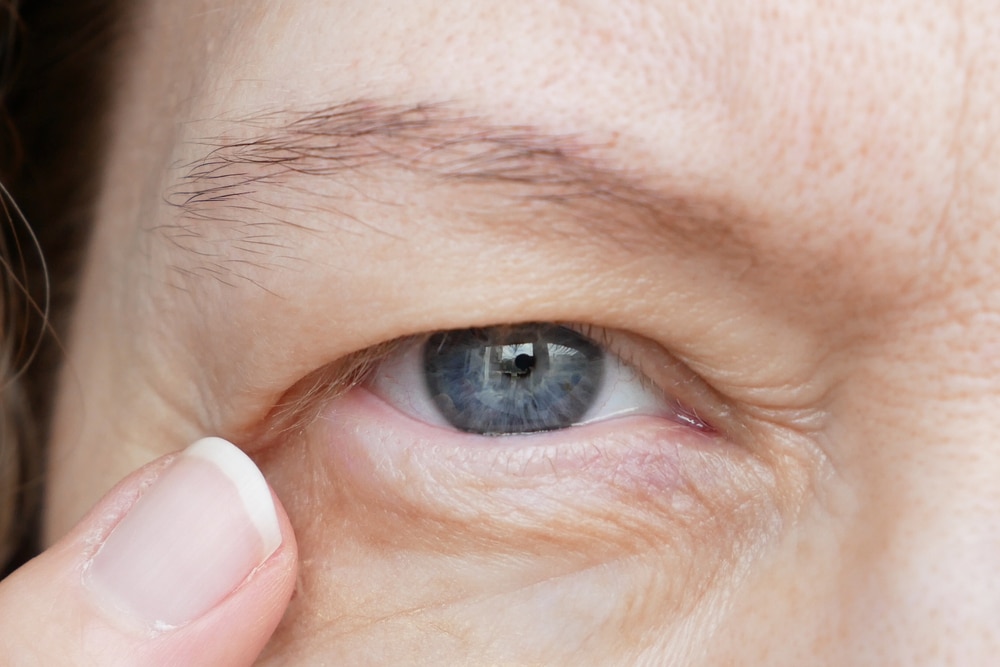
Blepharoplasty (eyelid surgery) is a plastic surgery procedure for correcting sagging or drooping eyelids. The eyelid, because its skin is much thinner than that in other parts of the face, is often one of the first facial areas to exhibit signs of aging. Eyelids that sag or droop can affect peripheral vision, making daily activities such as driving more difficult. Blepharoplasty may become necessary when various factors, which include aging, sun damage, smoking and obesity, cause the muscles and tissue that support the eyelids to weaken.
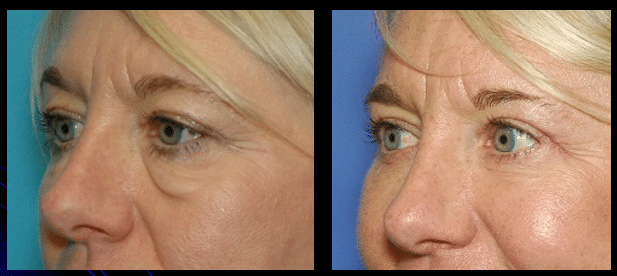
Reasons for Blepharoplasty
Blepharoplasty tightens the eyelid's muscles and tissue, and removes excess fat and skin. Blepharoplasty eliminates the drooping of skin into the visual field, greatly improving peripheral vision. It is also performed for strictly cosmetic reasons.
Functional Blepharoplasty
If the eyelids begin sagging into the field of vision, a functional blepharoplasty may be required. The procedure may be covered by medical insurance if it is deemed medically necessary. A determination of how much vision is affected is done by checking the peripheral visual field with an instrument called the Humphrey Visual Field (HVF) Analyzer.
Cosmetic Blepharoplasty
Blepharoplasty can be performed on either the upper or lower eyelid, or on both, for cosmetic purposes. For a lower eyelid that needs fat rather than skin removed, a transconjunctival blepharoplasty is performed. During transconjunctival blepharoplasty, an incision is made inside the lower eyelid, so there are no visible scars, and the fat is removed. This procedure has no effect on vision, but results in a person's looking younger and more refreshed.
It is important for a patient to have realistic expectations before undergoing cosmetic blepharoplasty. Although the procedure can enhance appearance and improve self-confidence, it does not radically alter the face.
Candidates for Blepharoplasty
The best candidates for blepharoplasty are those who are in good overall health, do not smoke, do not have any serious eye conditions, and have healthy facial tissue and muscle.
People with eye disease, including glaucoma or retinal detachment, thyroid disorders, diabetes, cardiovascular disease or high blood pressure are not good candidates for blepharoplasty.
The Blepharoplasty Procedure
Blepharoplasty is typically performed as an outpatient procedure requiring local anesthesia and sedation. General anesthesia may be used for anxious patients. Patients can choose to have this procedure on their upper or lower eyelids, or both. The procedure can take anywhere from 45 minutes to 2 hours, depending on whether both the upper and lower eyelids are operated on.
If the upper eyelid is being operated on, an incision is typically made along its natural crease. Once the incision is made, fat deposits are repositioned or removed, muscles and tissue are tightened, and excess skin is removed. For the lower eyelid, an incision is usually made just below the lash line so that excess skin can be removed.
After the procedure, the incisions are closed with sutures, tissue glue or surgical tape, and usually loosely covered with gauze so the area can heal.
Recovery After Blepharoplasty
After blepharoplasty, patients may be advised to apply lubricating drops/ointment and cold compresses to aid in healing and minimize side effects. Most patients return to work within a few days to a week, but should avoid exercise and strenuous activities for at least 2 weeks. Stitches are usually removed after 3 or 4 days. Most swelling and other side effects typically subside within 2 weeks. Contact lenses and eye makeup may not be worn for 2 weeks after surgery. Patients are typically advised to wear dark sunglasses outside or in bright light for 2 weeks to protect their eyes from sun and wind.
Risks of Blepharoplasty
Although there may be swelling and bruising around the surgical site, they will subside on their own, and the eyelids will improve in appearance for up to a year. Uncommon side effects include infection, reaction to anesthesia, and double or blurred vision. Eyes may be irritated and dry due to a temporary change in tear distribution. Side effects such as uneven healing and permanent scarring are rare but, if they occur, may require surgical correction. The scars from blepharoplasty are well-concealed, and usually fade with time until they are virtually undetectable. Although the eyelids are still subject to aging, blepharoplasty produces long-lasting results.
Why Choose Lowe Plastic Surgery?
- Cosmetic and functional concerns can both be Heavy upper eyelids can affect appearance but may also interfere with peripheral vision in some patients.
- Precision around delicate Eyelid surgery requires conservative removal and repositioning of skin and fat to refresh the eyes without creating a hollow or overly operated appearance.
- Upper and lower eyelids are treated Dr. Lowe can determine whether the concern involves excess upper-lid skin, lower-lid bags, fat, or a combination.
- Facial balance is Sometimes a drooping brow contributes to apparent upper-eyelid heaviness, making proper diagnosis important before surgery.
Frequently Asked Questions
When upper-eyelid skin significantly obstructs the visual field, functional blepharoplasty may improve peripheral vision. Documentation and testing may be required when medical necessity is being considered.
It can address protruding or displaced fat responsible for many under-eye bags, although treatment depends on whether the primary issue is fat, skin laxity, volume loss, or all three.
Not always. Dark circles can result from pigmentation, shadows, thin skin, vascular visibility, or volume loss, so eyelid surgery is not the correct treatment for every cause.
If the eyebrow itself has descended, removing eyelid skin alone may not fully address the heaviness. A facial examination helps distinguish brow descent from true excess eyelid skin.
Refresh Your Look at Our Oklahoma City Practice
Call (405) 942-4300 today to schedule your consultation and learn if blepharoplasty is right for you. Dr. James Lowe, a triple board-certified plastic surgeon in Oklahoma City, OK, specializes in eyelid surgery. Serving patients from Edmond County, North Oklahoma City, and Canadian County.